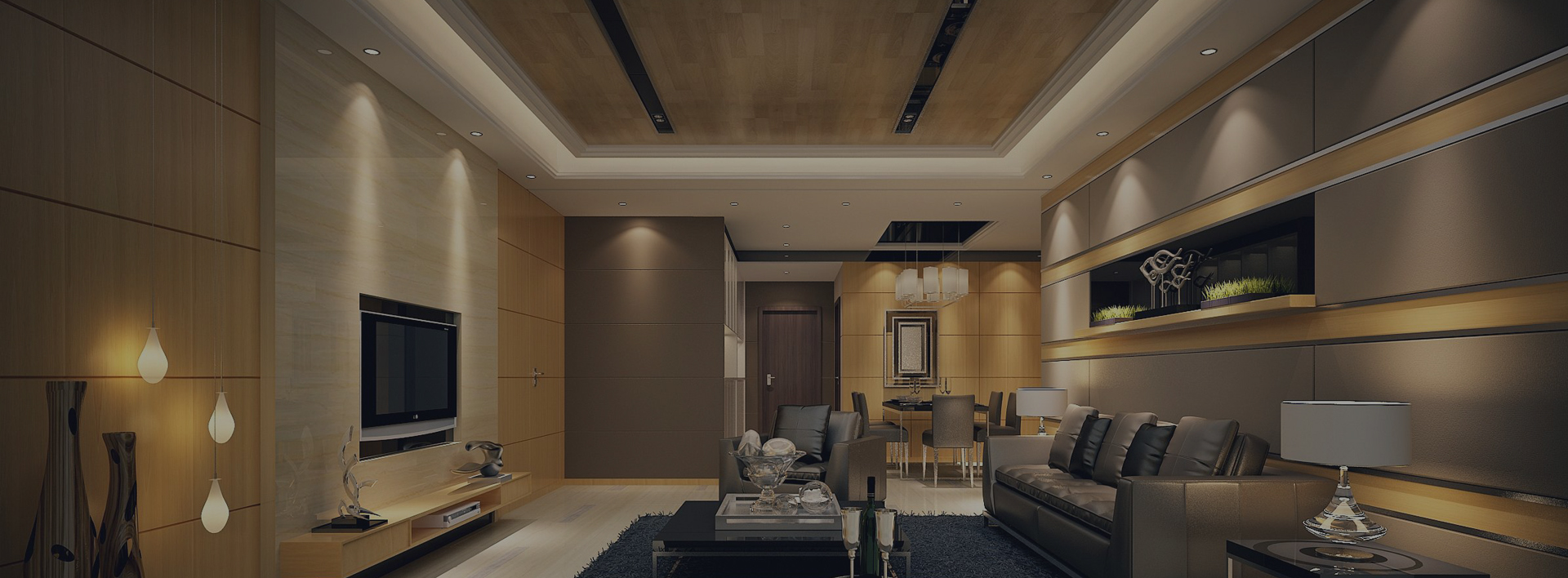
Well-planned lighting makes a home more comfortable, functional and visually appealing. It helps create the right atmosphere, highlights important interior details and provides sufficient light for everyday activities.
Bouwmasons provides professional lighting installation in the Netherlands for houses, apartments and other residential properties. We install ceiling and wall lights, LED systems, accent lighting, motion sensors, outdoor fixtures and lighting controls.
Every project is planned individually according to the room layout, interior design, available natural light and the way the space will be used. Our specialists can install lighting as part of a complete renovation or update individual lighting points in an existing home.
Our home lighting installation services cover different types of interior and exterior lighting.
Depending on the project, we can provide:
Before beginning the work, we assess the existing electrical system and discuss the desired lighting effect with the client.
A comfortable lighting scheme usually combines several types of light. Relying on a single ceiling fixture may leave some areas too dark or make the room feel visually flat.
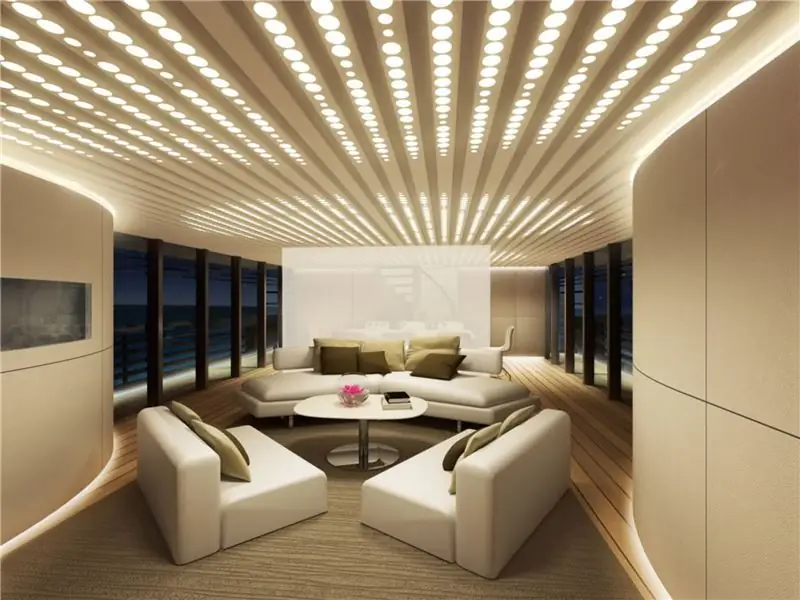
General lighting provides the main level of illumination throughout a room. It can be created using ceiling fixtures, recessed spotlights, pendant lights or a combination of several light sources.
The location and number of fixtures depend on the size, shape and purpose of the room.
Task lighting provides additional illumination in areas where specific activities take place.
It may be installed above:
Correctly positioned task lighting improves visibility and makes everyday activities more comfortable.
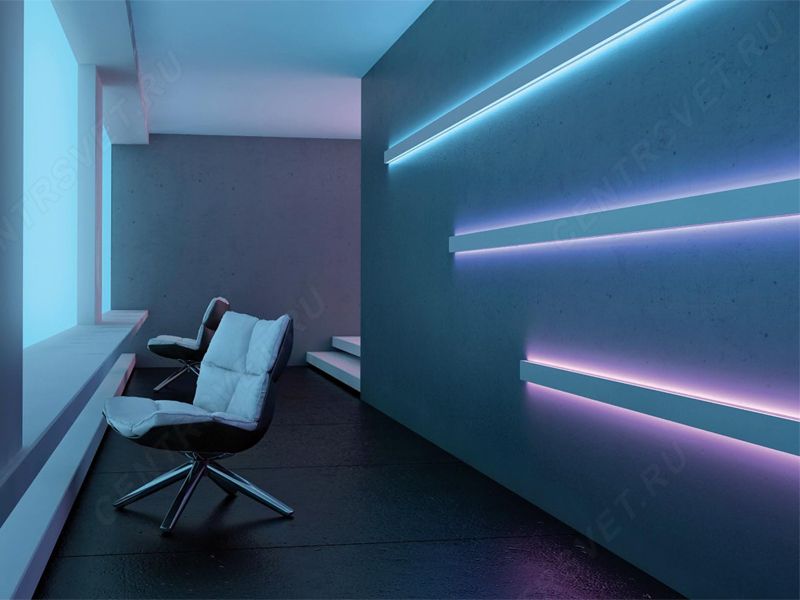
Accent lighting draws attention to selected interior elements. It can highlight artwork, textured walls, shelving, niches, furniture or architectural details.
Professional accent lighting installation helps create depth and visual interest without overwhelming the main interior design.
Decorative fixtures form part of the room’s design. Pendant lights, chandeliers, wall fixtures and LED features can become important visual elements even when they are not the main source of light.
The style, dimensions and position of each fixture should correspond to the proportions and character of the room.
Low-level lighting in hallways, staircases and entrance areas makes it easier to move around the home after dark. It can be connected to motion sensors so that the lights activate automatically when someone approaches.
LED lighting installation in the Netherlands is suitable for both general and decorative illumination. LED fixtures are available in different shapes, sizes, brightness levels and colour temperatures, making them suitable for almost every part of the home.
LED lighting can be used for:
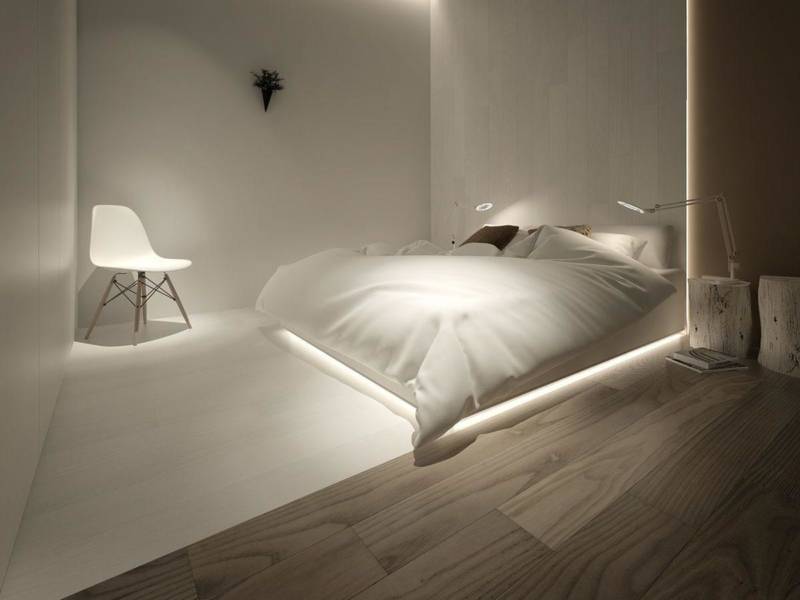
LED strips can be installed in suitable profiles to create a clean, finished appearance and help distribute the light more evenly.
LED lighting offers several practical advantages:
The correct components should be selected according to the location, expected operating conditions and intended lighting effect.
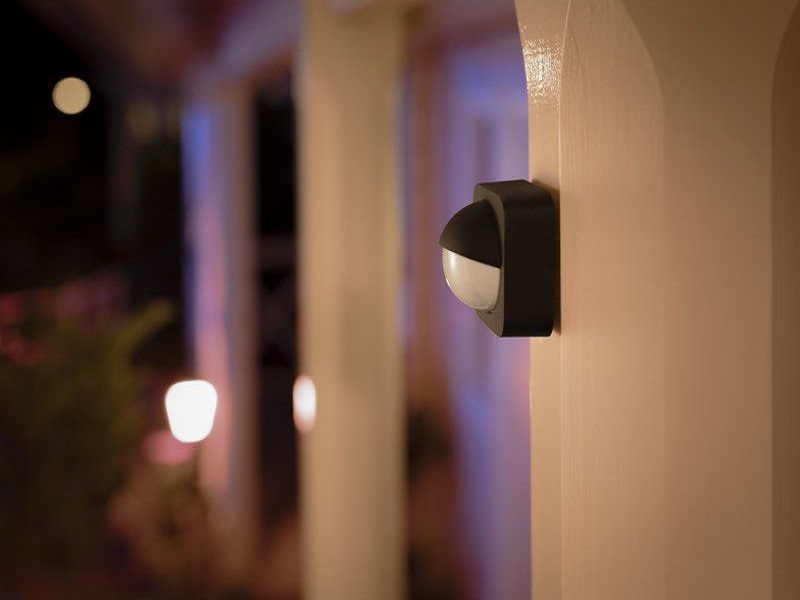
Motion sensor lighting installation provides convenient automatic illumination in areas where lights are only needed for short periods.
Motion sensors are commonly used in:
A sensor-controlled light can switch on when movement is detected and turn off after a selected period. This improves convenience and helps avoid leaving lights switched on unnecessarily.
The sensor position and detection area should be planned carefully to prevent unwanted activation or unlit zones.
Each room requires a lighting solution based on its function, layout and interior design.
The living room often combines several activities, including relaxing, reading, watching television and receiving guests. A flexible lighting scheme may therefore include:
Using several light sources allows the room to be adapted to different situations.
Kitchen lighting should provide clear visibility in working areas while contributing to a comfortable overall atmosphere.
A kitchen lighting plan may include:
The position of fixtures should be coordinated with cabinets, appliances and working surfaces before installation.
Bedroom lighting should be comfortable and flexible. Soft general illumination can be combined with reading lights, bedside fixtures and wardrobe lighting.
Possible solutions include:
Separate controls allow different types of lighting to be used independently.
Bathroom lighting should provide sufficient illumination around mirrors and washing areas while remaining suitable for the conditions in which it is installed.
A bathroom lighting project may include:
Fixtures and electrical components are selected according to their installation location and applicable safety requirements.
Hallways and staircases should be well illuminated because they connect different areas of the home. Lighting can be installed in ceilings, walls, steps or handrails.
Motion sensors and low-level LED fixtures can provide automatic night lighting while maintaining a clean and unobtrusive appearance.
A home office needs balanced lighting that supports comfortable work. General room lighting can be combined with task lighting near the desk and additional illumination for shelves or storage areas.
Careful fixture placement helps reduce harsh shadows and improves the usability of the workspace.
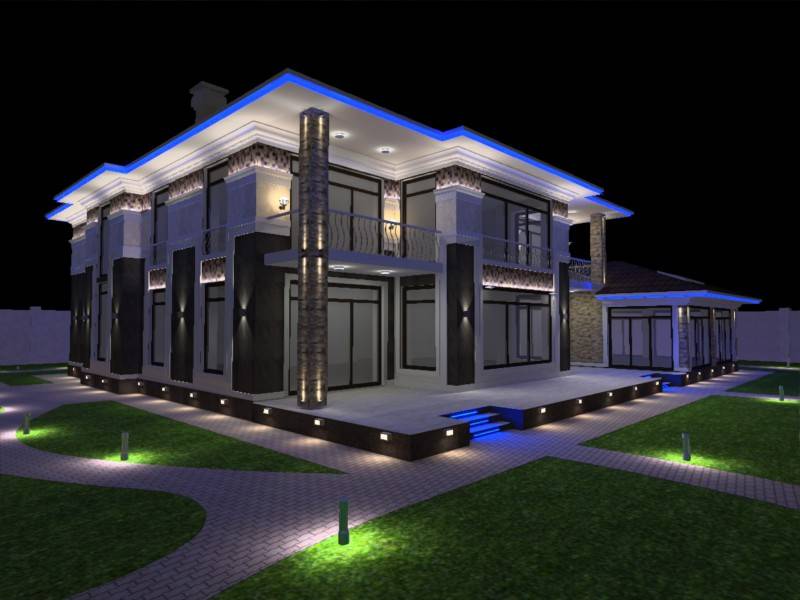
Professional outdoor lighting installation improves visibility around the property and highlights architectural or landscape features after dark.
Exterior lighting can be used for:
Façade lighting can emphasise the shape, materials and architectural details of a house. Wall-mounted fixtures, directed light and concealed LED solutions can create different visual effects.
The design should complement the building rather than produce excessive or uncomfortable brightness.
Lighting around entrances, steps and paths improves visibility when approaching or leaving the property. Fixtures can be controlled manually, by timers or by motion sensors.
Garden lighting can make outdoor areas more comfortable in the evening. It may be used around terraces, seating areas, planting zones and pathways.
Fixtures intended for exterior use must be selected and installed according to the conditions in which they will operate.
Modern control systems make it possible to adjust lighting according to the time of day, activity or preferred atmosphere.
Depending on the selected equipment, a lighting system may include:
Before installing controls, compatibility between the fixtures, lamps, drivers and dimmers should be checked.
Professional lighting installation for houses and apartments includes several stages.
We discuss which rooms or outdoor areas require lighting and what result you want to achieve. The existing electrical points, room layout and planned furniture are also taken into account.
A lighting layout is developed showing the position and purpose of each fixture. The plan may also include switches, dimmers, motion sensors and separate lighting zones.
Suitable fixtures, lamps, LED components and controls are selected according to the interior design, installation conditions and required lighting effect.
Where necessary, cables and additional electrical points are prepared before the final wall and ceiling finishes are completed.
If the lighting is being installed during a renovation, this stage is coordinated with plastering, painting, ceiling work and built-in furniture.
The selected ceiling, wall, furniture or outdoor fixtures are installed in their planned positions. Visible elements are aligned carefully to create a neat and consistent result.
Lights, drivers, switches, dimmers and sensors are connected and configured. Motion detection areas and operating times can be adjusted where the selected equipment allows.
After installation, the lighting points and controls are tested. We check that fixtures operate correctly and that switches, dimmers and sensors perform their intended functions.
A successful lighting project should consider more than the appearance of individual fixtures.
Important planning factors include:
Planning the lighting before renovation begins makes it easier to conceal cables and position electrical points correctly.
The cost of lighting installation in the Netherlands depends on the size of the project, the number of fixtures and the complexity of the electrical work.
The main pricing factors include:
Replacing an existing ceiling light will have a different cost from creating a complete lighting system with new cable routes, recessed spotlights, LED strips and several control zones.
Before preparing a quotation, Bouwmasons assesses the planned work and discusses the required lighting solutions with the client.
The quotation can include:
This provides a clear understanding of the project scope and expected cost before installation begins.
Our specialists install lighting with careful attention to positioning, connections and the finished appearance of visible components.
Every project is developed according to the property, interior style and client’s requirements. We select lighting solutions that match the way each room or outdoor area will be used.
We install lighting in living spaces, kitchens, bedrooms, bathrooms, hallways, staircases, entrances, façades and gardens.
Our services include LED fixtures, concealed lighting, motion sensors, dimmers and compatible control solutions.
Lighting installation can be coordinated with electrical wiring, ceilings, wall finishing, furniture installation and other renovation stages.
Bouwmasons can manage the process from the initial discussion and lighting plan to installation, connection and final testing.
Professional lighting can transform the atmosphere of a home, make individual areas more practical and highlight the character of the interior.
Whether you need new ceiling fixtures, LED accent lighting, motion sensor lights or a complete home lighting installation in the Netherlands, Bouwmasons can develop a solution tailored to your property.
Contact us to discuss your lighting project, select suitable solutions and arrange professional installation for your house or apartment.